
After a leak or flood, moisture can remain in drywall, carpet pad, insulation, flooring, wood and other building materials even after surfaces appear dry. The longer materials remain wet, the greater the opportunity for mold and other microbial growth, along with additional damage. Prompt water removal, moisture inspection and controlled structural drying can help reduce that risk.
Owner Craig Corbett is IICRC WRT-certified (Water Damage Restoration Technician). We respond 24/7 from our base in Spring Hill.
Water or fire damage? We answer 24/7.
Call (352) 678-7470Why surface drying may not be enough
A room can feel dry while moisture remains in carpet pad, drywall, flooring, cabinets or other materials. Fans may help move air across exposed surfaces, but effective structural drying also depends on controlling humidity and verifying affected materials with moisture readings. In Florida, outdoor air can be humid enough that opening windows may introduce additional moisture rather than improve drying conditions.
What proper drying looks like
- Stop the water. Shut off the supply when it can be done safely and have the source repaired by the appropriate trade.
- Remove standing water. Extract accessible standing water with equipment appropriate to the loss. Contamination level and the conditions of the loss affect how water and affected materials are handled.
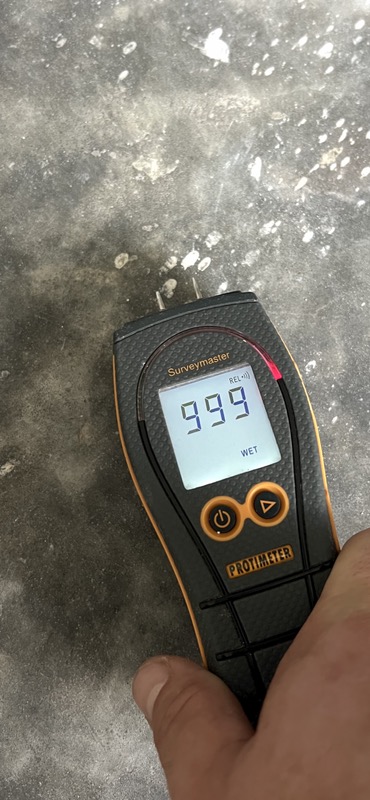
- Check where moisture has traveled. Use pin and pinless moisture meters to confirm affected materials. Thermal imaging can help identify areas that may need closer moisture inspection, but moisture meters are used to confirm what is wet.
- Open up only where conditions require it. Depending on the construction and where moisture is confirmed, removing baseboards or making limited access openings may help expose affected materials and improve drying without unnecessary demolition.
- Create controlled drying conditions. Commercial dehumidifiers and air movers are selected and adjusted based on the conditions of the loss. Hygrometers help monitor temperature and relative humidity during drying.
- Monitor drying progress. Take follow-up moisture readings throughout the drying process, document the results in a drying log and adjust equipment as conditions change. Actual readings and the conditions of affected materials—not an arbitrary number of days—determine when drying goals have been reached.
What to do when you discover water damage
- Call for help promptly when water has affected building materials or areas you cannot fully inspect.
- Take photos and video of the damage before moving items when it is safe to do so.
- Turn off power to affected areas if it can be done safely. Do not enter standing water where electrical hazards may be present.
- Move furniture, rugs and valuables away from the water when it is safe, and use foil or blocks beneath furniture legs where appropriate.
- Do not use a regular household vacuum on standing water.
If you already see or smell mold
Visible growth, persistent musty odors or materials that have remained wet may indicate that the situation needs more than drying alone. Avoid disturbing suspected mold unnecessarily, since the appropriate next step depends on the extent and conditions present.
We can explain the water-damage and drying work we perform and help you understand when a Florida-licensed mold professional may be appropriate.
Service area
Based in Spring Hill, we're closest to customers throughout Hernando and Pasco counties, which make up our primary service area. For larger restoration losses, we also serve communities throughout Citrus, Hillsborough, Pinellas and Sumter counties, generally within about a 90-minute drive of Spring Hill. Actual travel time depends on your location and traffic.
Related services
- Emergency water extraction
- Structural drying
- Burst pipe and appliance leak water damage
- Storm and hurricane water damage